Paternal line · Y-DNA
Western Europe’s most common paternal line
R-M269
Where it is common today

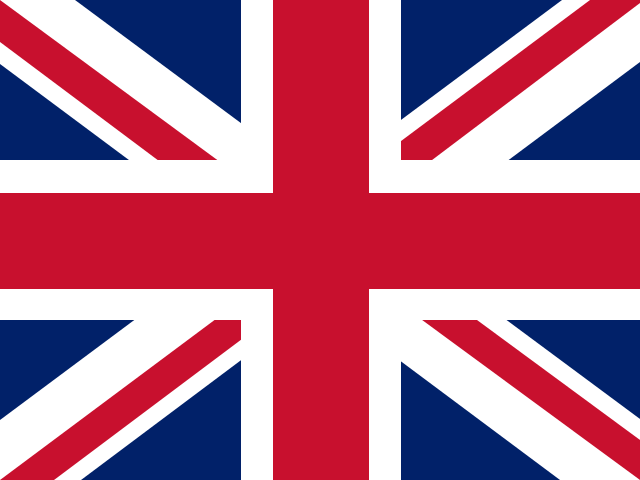
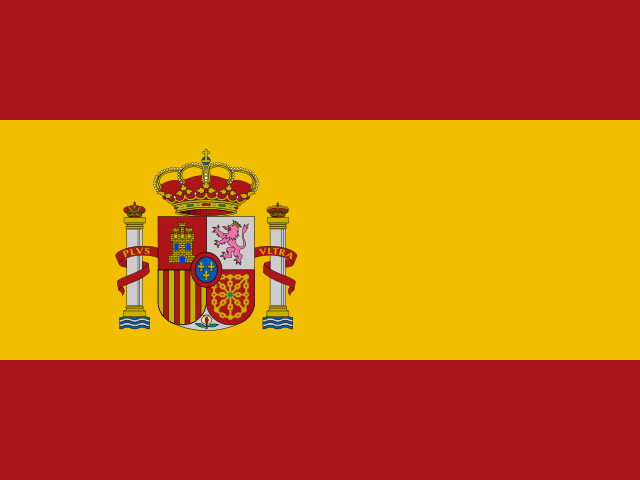
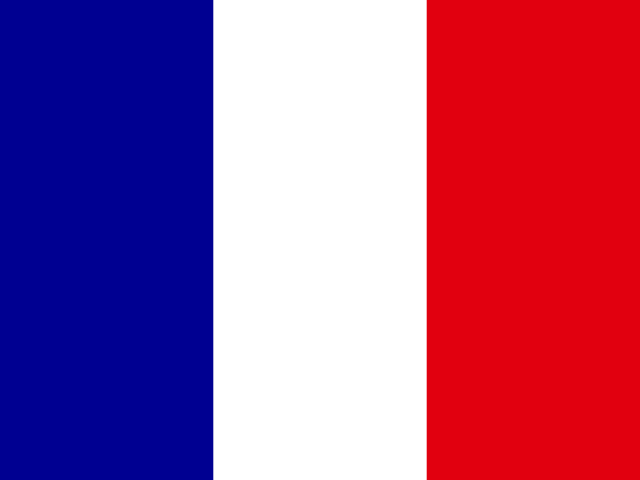
Western Europe's most common paternal line — highest in Ireland, Britain, Iberia and France.
How old it is
This branch split from its parent about 13,300 years ago (between 11,800 and 14,900).
Every man who carries it today descends from one man who lived about 6,400 years ago (between 5,700 and 7,100).
From the big letter down to this branch
- R-Y482
- R1
- R1b
- R-L754
- R-L761
- R-L389
- R-P297
- R-M269
Every test reads your line to a different depth. One report says J1, another J-P58, another a code four steps further down — all of them are right, the longer one is simply more detailed. HealthOS reads as deep as your file allows.
Ancient people who carried it
1,365 ancient genomes in the Allen Ancient DNA Resource carry this line. The oldest is from Zvejnieki, Latvia, around 7,270 BC.
- Mödling-An der Goldenen Stiege, AustriaAD 72027 people
- La Almoloya, Spain2,000 BC – 1,630 BC26 people
- Winterbourne Kingston, United Kingdom160 BC – AD 41025 people
- Cambridgeshire, United KingdomAD 1,25025 people
- Kilteasheen, IrelandAD 1,00022 people
- Las Gobas, SpainAD 75016 people
- Pocklington, United Kingdom350 BC – 130 BC13 people
- Leubingen-1, Germany2,100 BC – 1,830 BC12 people
- East Kent Access Road, United Kingdom1,470 BC – 280 BC12 people
- Praha-Jinonice, Czechia1,900 BC – 100 BC12 people
- Kleinaitingen-Gewerbegebiet-Nord, Germany1,950 BC – 1,660 BC11 people
- Yarnton, United Kingdom2,100 BC – 280 BC11 people
Find your own line
Upload the raw data file from 23andMe, AncestryDNA, MyHeritage or a whole-genome test. It is read on your device, and it is free.
Read my DNANo DNA test yet?
The HealthOS DNA Kit reads your maternal line, your paternal (Y) line if you have a Y chromosome, your ancestry across 15 regions and the ancient peoples you sit closest to. Spit in a tube at home; the lab is in Germany and the raw file is yours.
See the DNA kit